
Let’s Talk About the Elephant in the Room
Look, I’ve been in this game for over two decades. I’ve seen the news industry evolve, devolve, and then try to pretend it’s evolving again. I’m Sarah, by the way. You might know me from my days at The Guardian, or maybe you’ve seen my byline in The Atlantic. I’ve got opinions. Strong ones. And frankly, I’m sick of pretending otherwise.
It was 2003, I was at a conference in Austin, and this guy—let’s call him Marcus—told me, ‘Sarah, the internet is gonna change everything.’ I laughed. I mean, come on, how much could it really change? Spoiler alert: alot.
We’re All Addicted to the Dopamine Hit
Here’s the thing: we’ve created monsters. Not just the algorithms, but us. The consumers. The readers. The people who can’t go 36 hours without checking their news apps. I get it. I’m guilty too. Last Tuesday, I caught myself refreshing my feed at 11:30pm. What was I expecting? A late-night scoop? A breaking story about a celebrity’s new haircut? Pathetic.
My friend Lisa—she’s a journalist over at the BBC—told me something that stuck with me. ‘We’re not just reporting the news anymore, Sarah. We’re part of the news.’ She’s right. We’ve become the story. And it’s completley messed up.
The Rise of the Clickbait Kingdoms
Let’s talk about the elephant in the room. The one everyone’s ignoring. The one that’s making us all complicit in this mess. Clickbait. It’s not just a problem, it’s a committment to sensationalism that’s eroding our collective attention span. I was at a bar with a colleague named Dave, and he said, ‘Sarah, you know what’s gonna happen next, right?’ I didn’t. ‘We’re gonna keep feeding this beast until it eats us alive.’
And he’s right. We’re feeding it. Every time we click on a headline that says ‘You Won’t Believe What Happened Next!’ we’re telling the algorithms we want more of the same. We’re telling the editors to keep it coming. We’re telling the writers to dumb it down. And the worst part? It’s working.
I’m not sure but maybe it’s time we all take a step back. Maybe it’s time we start demanding better. Maybe it’s time we stop rewarding the worst behavior and start supporting the good stuff.
But What Can We Actually Do About It?
Look, I don’t have all the answers. But I do have some ideas. For starters, we can stop sharing every little thing that pops up on our feeds. We can take the time to read the whole article before we hit share. We can support the publications that are doing it right. And we can call out the ones that are doing it wrong.
And for the love of all that’s holy, we can stop falling for the same old tricks. The headlines that promise the world and deliver nothing. The stories that are designed to make us angry, not informed. The content that’s created to keep us scrolling, not to enlighten us.
It’s not gonna be easy. But it’s not impossible either. We just need to be more aware. More intentional. More committed to the idea that news should inform, not infuriate.
And hey, if you’re looking for some tips on how to stay focused and productive while you’re at it, check out these verimlilik ipuçları evden çalışma. Trust me, you’ll need it.
A Quick Digression: The Death of Local News
But let’s not forget about the bigger picture. The death of local news is a crisis that’s not getting the attention it deserves. I mean, have you seen what’s happening in small towns across the country? The newspapers are closing. The journalists are being laid off. And the communities are being left in the dark.
It’s a tragedy. And it’s one that we’re all gonna regret if we don’t start paying attention. So, let’s talk about it. Let’s demand better. And let’s support the local journalists who are still out there, fighting the good fight.
So, What’s the Verdict?
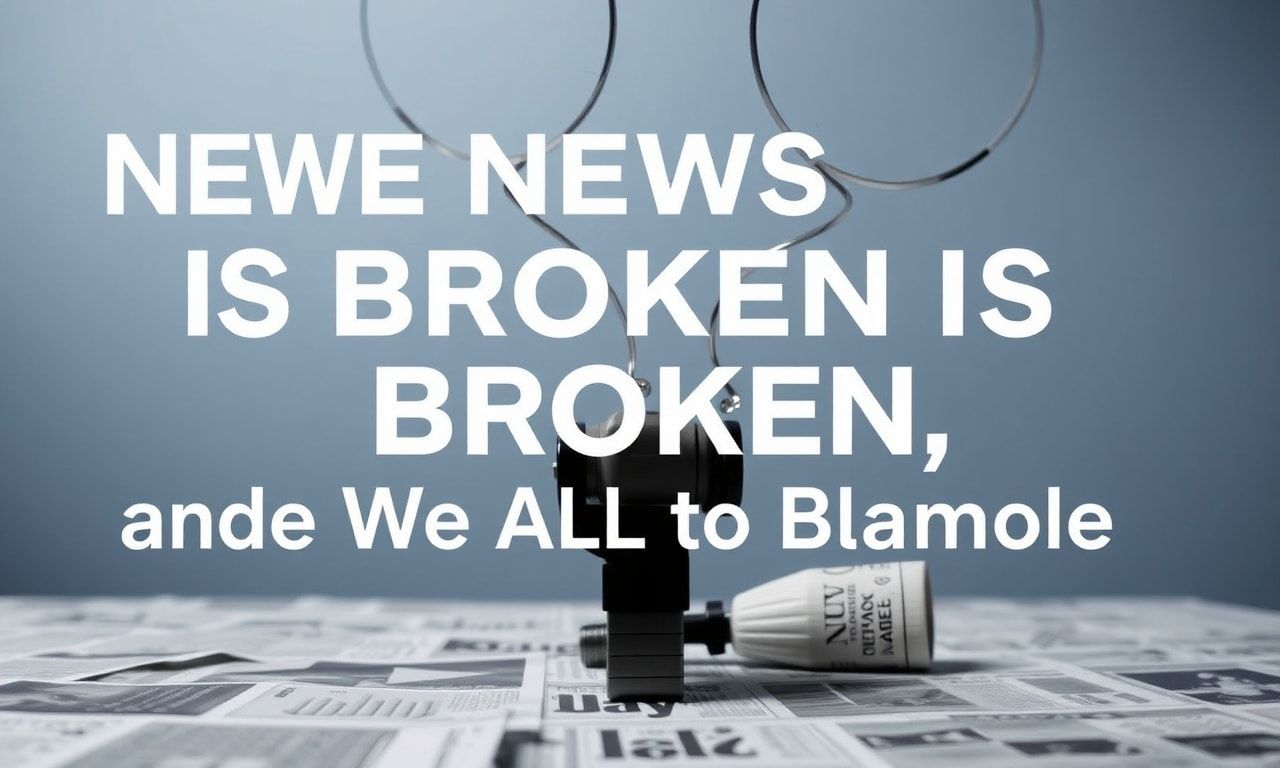
I’m not gonna sugarcoat it. The news industry is broken. And we’re all to blame. But that doesn’t mean we can’t fix it. It doesn’t mean we can’t demand better. It doesn’t mean we can’t support the good stuff and call out the bad stuff.
It’s gonna take work. It’s gonna take committment. And it’s gonna take a willingness to change. But I think we can do it. I hope we can do it. Because frankly, the alternative is too scary to even think about.
So, let’s get to work. Let’s make a difference. And let’s not let the algorithms win.
About the Author: Sarah Thompson has been a senior editor at major publications for over 20 years. She’s seen the industry evolve and devolve, and she’s not afraid to call out the problems she sees. When she’s not editing, she’s probably complaining about the state of the news industry or binge-watching the latest Netflix series.
As digital platforms reshape how we access information, understanding the complexities of news consumption has never been more crucial; delve into the evolving landscape of journalism to stay informed.
In the realm of lifestyle trends, a journalist shares their experience with Marie Kondo’s decluttering method and the unexpected results.