
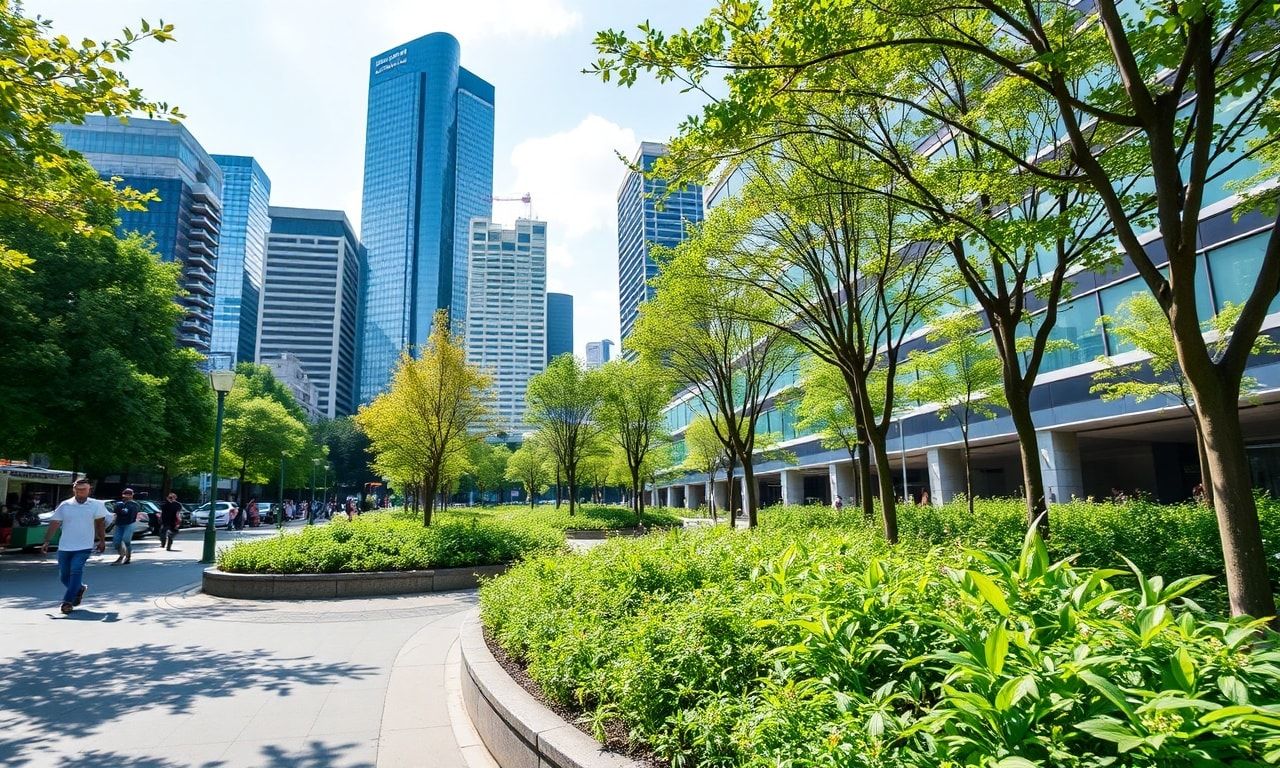
The Rise of Urban Green Spaces
In recent years, there has been a significant global shift towards the development and enhancement of urban green spaces. Cities around the world are recognizing the importance of parks and recreational areas in improving the quality of life for their residents. These spaces not only provide a haven for relaxation and leisure but also play a crucial role in environmental sustainability and community building.
Singapore: A Model of Urban Planning
Singapore has long been celebrated for its innovative approach to urban planning, and its parks and recreation activities are no exception. The city-state has transformed its landscape through the creation of lush, green parks and waterfront promenades. Singapore parks recreation activities are designed to cater to a diverse range of interests, from nature walks and cycling to water sports and community events. The integration of technology and sustainability in these spaces sets a benchmark for other cities to follow.
Bristol’s Green Initiatives
Closer to home, Bristol has been making strides in enhancing its urban green spaces. The city’s commitment to becoming a greener and more sustainable urban environment is evident in its numerous parks and recreational areas. Bristol’s green initiatives not only focus on creating beautiful spaces but also on promoting biodiversity and providing educational opportunities for residents. The city’s efforts have been recognized internationally, making it a model for other urban centers.
The Benefits of Urban Green Spaces
Urban green spaces offer a multitude of benefits that extend beyond aesthetics. They play a vital role in improving air quality, reducing urban heat islands, and promoting mental and physical health. Studies have shown that access to green spaces can lower stress levels, encourage physical activity, and foster a sense of community. Additionally, these areas serve as important habitats for wildlife, contributing to the overall biodiversity of urban environments.
Health and Well-being
One of the most significant advantages of urban green spaces is their impact on public health. Parks and recreational areas provide a space for people to engage in physical activities such as walking, jogging, and cycling, which are essential for maintaining a healthy lifestyle. Moreover, the presence of greenery has been linked to reduced symptoms of anxiety and depression, making these spaces crucial for mental well-being. Cities that invest in green spaces are not only investing in their infrastructure but also in the health of their residents.
Environmental Sustainability
Urban green spaces are also key players in environmental sustainability. They help to mitigate the effects of climate change by absorbing carbon dioxide and producing oxygen. Trees and plants in these areas act as natural air filters, improving air quality and reducing pollution. Furthermore, green spaces contribute to the reduction of urban heat islands, which are areas that experience higher temperatures due to human activities and the lack of vegetation. By integrating more green spaces into urban planning, cities can create a more sustainable and resilient environment.
Challenges and Solutions
Despite the numerous benefits, the development and maintenance of urban green spaces come with their own set of challenges. Limited space, funding constraints, and competing priorities often hinder the creation of these areas. However, cities can overcome these challenges through innovative solutions and community engagement. For instance, vertical gardens and rooftop parks can maximize the use of limited space, while public-private partnerships can provide the necessary funding and resources.
Community Involvement
Community involvement is crucial for the success of urban green spaces. Residents can contribute to the planning, maintenance, and programming of these areas, ensuring that they meet the needs and preferences of the community. Community gardens, for example, not only provide fresh produce but also foster a sense of ownership and pride among residents. By engaging the community, cities can create green spaces that are truly inclusive and reflective of the diverse needs of their populations.
Looking Ahead
As cities continue to grow and evolve, the importance of urban green spaces will only increase. The examples set by cities like Singapore and Bristol demonstrate the potential for creating vibrant, sustainable, and inclusive urban environments. By prioritizing the development of green spaces and engaging the community in their creation and maintenance, cities can enhance the quality of life for their residents and contribute to a healthier, more sustainable future.