
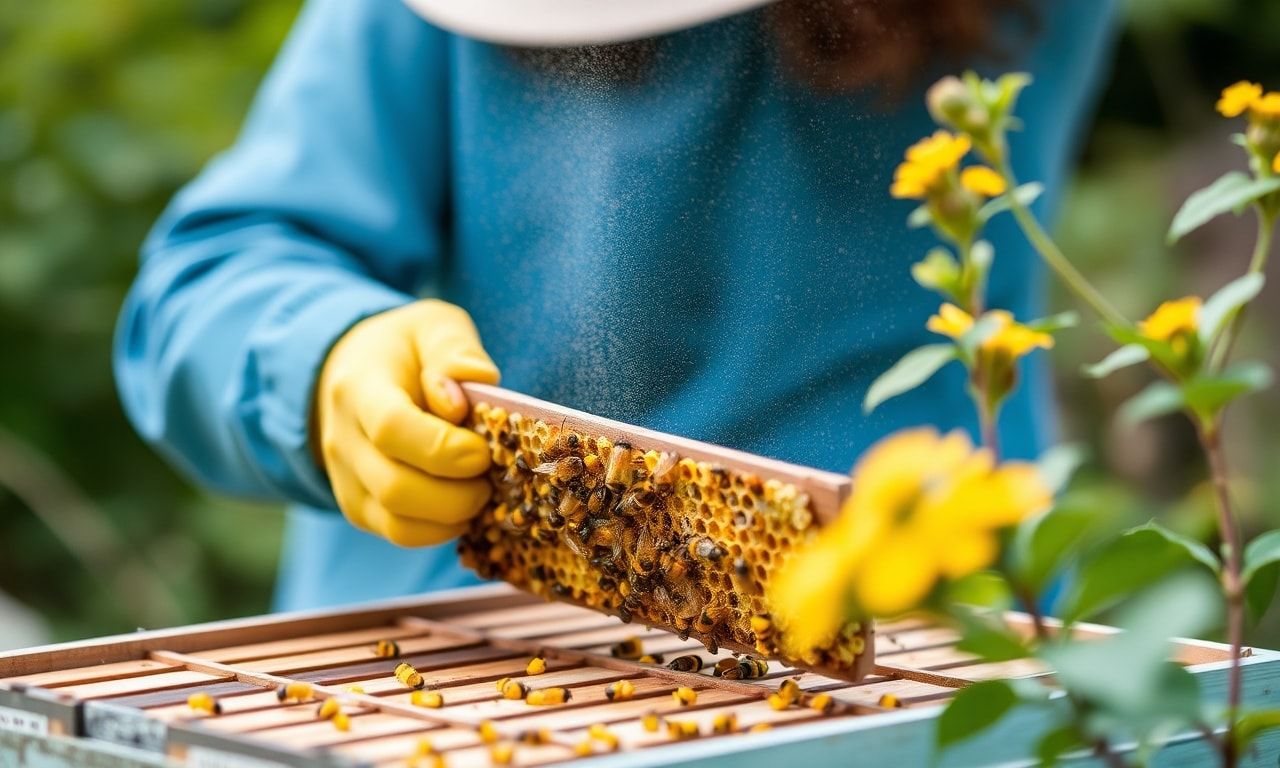
The Rise of Urban Beekeeping in Bristol
Bristol has emerged as a beacon of urban beekeeping, with a growing number of residents taking up the hobby to support local ecosystems and boost urban biodiversity. This trend is part of a wider movement across the UK, where cities are increasingly recognizing the importance of bees in maintaining a healthy environment. The city’s unique blend of urban and green spaces provides an ideal habitat for bees, making it a perfect location for this initiative.
Urban beekeeping involves setting up beehives in urban areas, such as rooftops, gardens, and even balconies. This practice not only helps in pollinating plants but also educates the public about the crucial role bees play in our ecosystem. The initiative has gained significant traction in Bristol, with community groups, schools, and individuals actively participating in beekeeping activities.
Community Engagement and Education
One of the key aspects of Bristol’s urban beekeeping initiative is its focus on community engagement and education. Local organizations and schools are actively involved in setting up beehives and learning about beekeeping. For instance, the London schools education news has reported similar initiatives in London, highlighting the educational benefits of beekeeping for students. In Bristol, schools are incorporating beekeeping into their curriculum, teaching students about the importance of bees and the environment.
Community workshops and training sessions are regularly organized to educate residents about beekeeping. These sessions cover topics such as setting up beehives, maintaining them, and harvesting honey. The workshops are open to all, encouraging a sense of community and shared responsibility towards the environment. The initiative has also sparked interest in local businesses, with several restaurants and cafes setting up beehives on their premises to support the cause.
The Environmental Impact
The environmental benefits of urban beekeeping are manifold. Bees play a crucial role in pollinating plants, which is essential for maintaining biodiversity and supporting local ecosystems. By setting up beehives in urban areas, Bristol is not only supporting the bee population but also enhancing the city’s green spaces. The initiative has led to an increase in the number of bees in the city, which in turn has improved the health of local plants and flowers.
Moreover, urban beekeeping helps in raising awareness about the importance of bees and the threats they face. Pesticides, habitat loss, and climate change are some of the major challenges bees face today. By engaging in beekeeping, residents are not only supporting the bee population but also learning about the broader environmental issues affecting them. This knowledge can then be shared with others, amplifying the impact of the initiative.
Challenges and Solutions
Despite the numerous benefits, urban beekeeping also comes with its own set of challenges. One of the main challenges is the lack of space in urban areas. However, innovative solutions such as setting up beehives on rooftops and balconies have helped overcome this issue. Additionally, the initiative has faced challenges related to funding and resources. To address this, community groups and schools have come together to pool resources and share knowledge, ensuring the sustainability of the initiative.
Another challenge is the perception of bees as a nuisance or a threat. Many people are afraid of bees and view them as dangerous. However, through education and awareness campaigns, the initiative has been able to change this perception. Residents are now more aware of the importance of bees and the role they play in the ecosystem. This has led to greater acceptance and support for the initiative.
The Future of Urban Beekeeping in Bristol
The future of urban beekeeping in Bristol looks promising. The initiative has already made significant strides in supporting the bee population and enhancing the city’s green spaces. Moving forward, the focus will be on expanding the initiative to reach more communities and schools. This will involve organizing more workshops and training sessions, as well as setting up more beehives in urban areas.
Additionally, the initiative aims to collaborate with other cities and organizations to share knowledge and best practices. This will help in creating a network of urban beekeeping initiatives across the UK, amplifying the impact of the cause. The ultimate goal is to create a sustainable and thriving ecosystem for bees, ensuring their survival for future generations.
In conclusion, Bristol’s urban beekeeping initiative is a testament to the power of community engagement and education. By setting up beehives in urban areas, the city is not only supporting the bee population but also raising awareness about the importance of bees and the environment. The initiative serves as a model for other cities, demonstrating the positive impact of urban beekeeping on the environment and the community.
As cities grapple with environmental issues, a growing number of residents are turning to urban beekeeping for solutions, a trend that’s gaining traction worldwide.
In the realm of urban safety and health, a compelling case study can be found in London’s approach to public well-being, offering a unique perspective on current practices and their effectiveness.
As cities worldwide grapple with environmental challenges, London’s shift towards sustainability offers an intriguing case study in urban adaptation.