
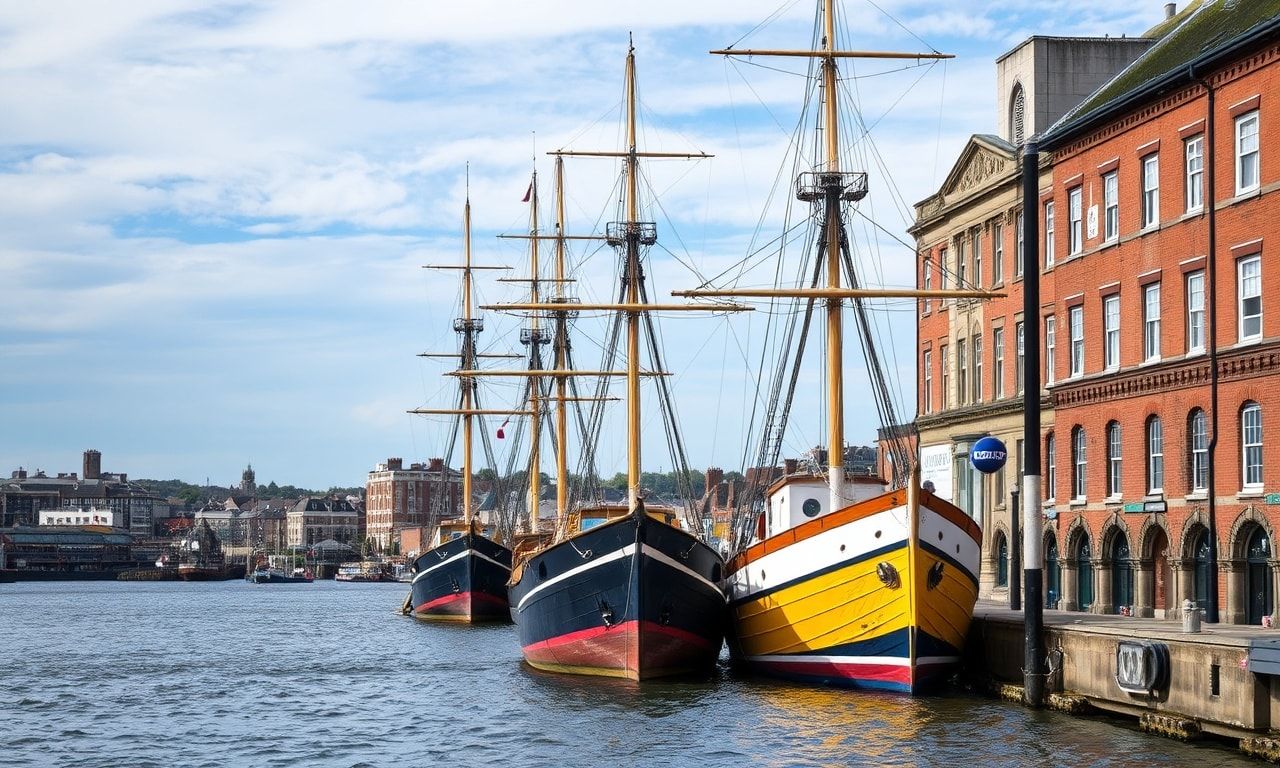
The Port City of Bristol
Bristol, a vibrant city in South West England, boasts a rich maritime history that dates back to the 11th century. Once a major port for ships heading to North America, Africa, and the Caribbean, Bristol’s docks were a hub of activity and commerce. Today, while the city has evolved into a cultural and economic powerhouse, its maritime heritage remains an integral part of its identity.
Bristol’s Historical Significance
The city’s historical significance is deeply rooted in its maritime activities. The Bristol Channel, one of the largest natural harbors in the world, provided the perfect setting for the city’s growth as a major port. The city’s shipbuilding industry was renowned, and Bristol’s ships were known for their durability and craftsmanship. The city’s involvement in the transatlantic slave trade is a somber chapter in its history, but it is one that is acknowledged and addressed through various educational initiatives and memorials.
The Age of Exploration
Bristol played a pivotal role during the Age of Exploration. It was from Bristol’s shores that adventurers like John Cabot set sail to explore the New World. Cabot’s voyages, sponsored by Bristol merchants, led to the discovery of parts of North America and opened up new trade routes. The city’s involvement in exploration and trade contributed significantly to its economic prosperity during the medieval and early modern periods.
Modern-Day Bristol: A Blend of History and Innovation
Today, Bristol is a city that seamlessly blends its rich history with modern innovation. The historic docks have been transformed into a thriving cultural and leisure destination. The Harbourside area is now home to museums, galleries, restaurants, and entertainment venues, attracting millions of visitors each year. The SS Great Britain, one of the most advanced ships of its time, is now a museum ship docked in Bristol, offering visitors a glimpse into the city’s maritime past.
Bristol’s maritime heritage is also celebrated through various festivals and events. The Bristol Harbour Festival, held annually, is one of the largest waterfront festivals in Europe. It features a variety of activities, including boat races, live music, and historical reenactments, drawing visitors from around the world. The festival is a testament to the city’s enduring connection to the sea and its vibrant cultural scene.
Maritime Influence on Bristol’s Culture
The maritime influence is evident in Bristol’s culture and traditions. The city’s music, literature, and art often draw inspiration from its seafaring past. The famous Bristol-born poet, Thomas Chatterton, wrote about the city’s maritime heritage in his works. Similarly, the city’s music scene, which includes genres like sea shanties and folk music, reflects its nautical roots.
Bristol’s maritime heritage is also celebrated through its cuisine. The city’s seafood dishes, such as the famous Bristol crab, are a testament to its coastal location. Local restaurants and pubs often feature seafood specialties, offering a taste of the city’s maritime tradition.
Preserving Bristol’s Maritime Heritage
Efforts to preserve Bristol’s maritime heritage are ongoing. The Bristol Maritime Festival, held every two years, showcases the city’s rich seafaring history. The festival features historical reenactments, boat displays, and educational programs, providing an engaging way for visitors to learn about Bristol’s maritime past.
In addition to festivals, various museums and historical sites in Bristol offer insights into the city’s maritime history. The M Shed museum, for example, houses a collection of artifacts related to Bristol’s maritime and industrial past. The museum’s exhibits provide a comprehensive overview of the city’s evolution from a major port to a modern urban center.
Community Involvement
The local community plays a crucial role in preserving Bristol’s maritime heritage. Volunteers and enthusiasts work tirelessly to maintain historical sites and organize events that celebrate the city’s seafaring past. The Duxbury yacht club news, for instance, often features stories about local maritime events and initiatives, highlighting the community’s dedication to preserving this important aspect of Bristol’s history.
Educational programs and school initiatives also play a significant role in preserving Bristol’s maritime heritage. Schools in the area often incorporate lessons about the city’s maritime history into their curriculum, ensuring that future generations understand and appreciate this important part of Bristol’s identity.
Conclusion
Bristol’s maritime heritage is a source of pride for the city and its residents. From its historical significance as a major port to its modern-day cultural and leisure offerings, the city’s connection to the sea is evident in every aspect of its identity. Through festivals, museums, and community initiatives, Bristol continues to celebrate and preserve its rich maritime history, ensuring that this important part of its past remains an integral part of its future.
As Halloween approaches, communities worldwide are preparing with unique traditions and safety measures; explore how different regions are adapting this year in global Halloween celebrations.
To gain a deeper understanding of local governance and civic participation, our recent coverage of town hall meeting highlights offers an insightful look at community engagement.
In light of recent discussions on faith and community, our latest piece, strengthening parish bonds today, offers a timely exploration of the Catholic Church’s communal foundations.