
Introduction
In the heart of the United Kingdom, Bristol has emerged as a pioneer in urban traffic management, implementing innovative strategies to alleviate congestion and enhance road safety. The city’s proactive approach has garnered national attention, offering a blueprint for other urban centers grappling with similar challenges. This article delves into Bristol’s groundbreaking initiatives, the technology driving these changes, and the impact on local residents and businesses.
The Rise of Smart Traffic Systems
Bristol’s transformation began with the integration of smart traffic systems, leveraging real-time data to optimize traffic flow. Sensors and cameras strategically placed across the city collect data on vehicle movement, pedestrian activity, and environmental conditions. This information is processed by advanced algorithms that adjust traffic signals in real-time, reducing idle time and minimizing congestion. The city’s investment in this technology has not only improved traffic efficiency but also contributed to a significant reduction in carbon emissions.
Real-Time Data and Adaptive Signals
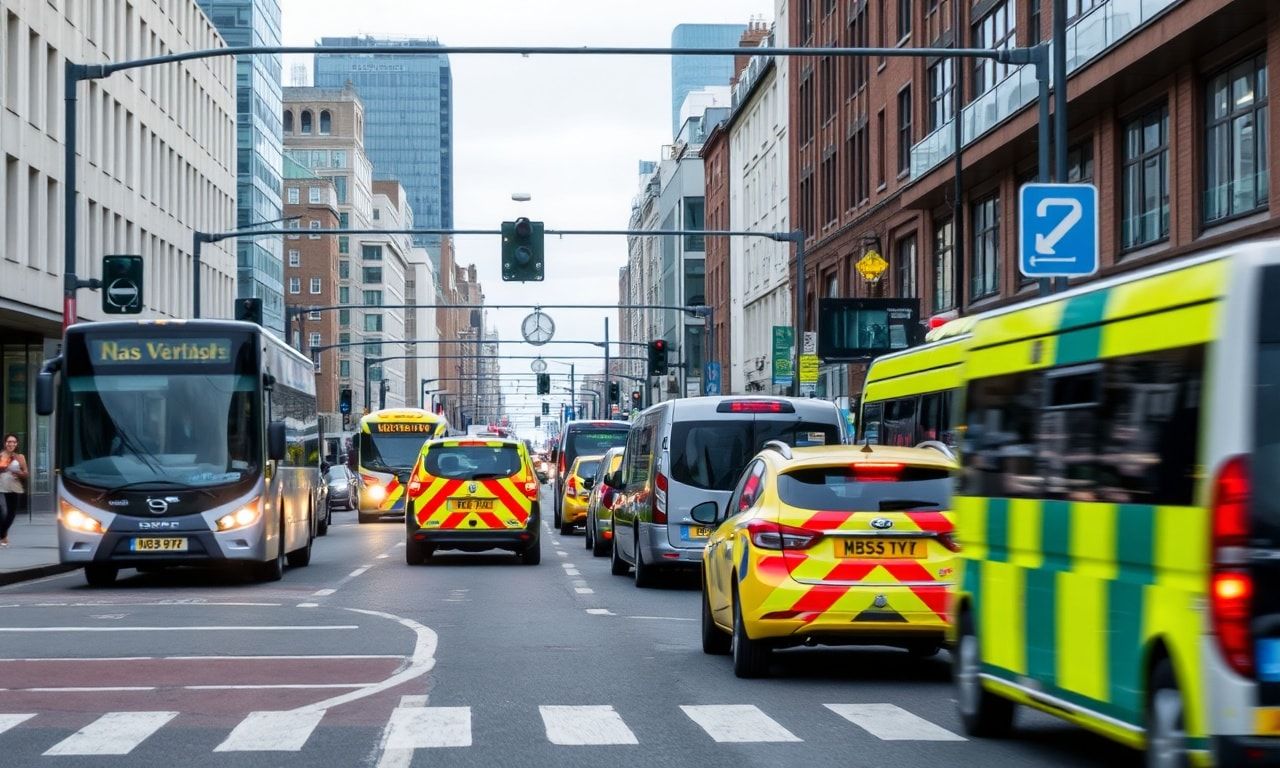
One of the key components of Bristol’s smart traffic system is the use of adaptive traffic signals. These signals adjust their timing based on real-time data, ensuring that traffic lights respond dynamically to the current conditions on the roads. For instance, during peak hours, the system can extend green light durations for buses and high-occupancy vehicles, facilitating smoother traffic flow. Additionally, the system prioritizes emergency vehicles, ensuring they can navigate through traffic with minimal delays.
For those driving vehicles like the Honda Accord, understanding how to navigate these adaptive signals can be crucial. Drivers can benefit from resources such as Honda Accord driving in straight roads tips to ensure they are prepared for the dynamic traffic conditions in Bristol.
The Role of Public Transportation
Bristol’s commitment to improving public transportation has been instrumental in reducing road congestion. The city has expanded its bus network, introduced more frequent services, and invested in infrastructure to make public transport more accessible and reliable. The integration of smart traffic systems has further enhanced the efficiency of public transportation by prioritizing buses and trams, reducing their travel time and making them a more attractive option for commuters.
Expanding the Bus Network
The expansion of the bus network in Bristol has been a game-changer for many residents. New routes have been introduced to connect previously underserved areas, while existing routes have been optimized to provide more frequent and reliable services. The city has also invested in bus rapid transit (BRT) systems, which offer dedicated lanes and priority signaling, further enhancing the efficiency of bus services. These initiatives have not only reduced the number of private vehicles on the road but have also made public transportation a viable and convenient option for a broader range of commuters.
Promoting Cycling and Walking
Recognizing the importance of sustainable and healthy transportation options, Bristol has made significant strides in promoting cycling and walking. The city has developed an extensive network of cycling lanes and pedestrian paths, making it safer and more convenient for residents to choose these modes of transportation. Additionally, the city has implemented various incentives, such as bike-sharing programs and subsidies for purchasing bicycles, to encourage more people to adopt these eco-friendly options.
Cycling Lanes and Pedestrian Paths
The development of cycling lanes and pedestrian paths has been a cornerstone of Bristol’s efforts to promote sustainable transportation. These dedicated routes provide a safe and convenient alternative to driving, encouraging more residents to choose cycling and walking for their daily commutes. The city has also invested in infrastructure to support these modes of transportation, such as bike racks, repair stations, and showers at workplaces, making it easier for people to incorporate cycling and walking into their daily routines.
The Impact on Local Residents and Businesses
The innovative traffic management strategies implemented in Bristol have had a profound impact on local residents and businesses. For residents, the reduction in traffic congestion has led to shorter commute times, improved air quality, and a better overall quality of life. Businesses have also benefited from these changes, as improved traffic flow has made it easier for customers and employees to access their establishments. Additionally, the promotion of sustainable transportation options has contributed to a healthier and more environmentally conscious community.
Improved Quality of Life
The improvements in traffic management have significantly enhanced the quality of life for Bristol residents. Shorter commute times mean that people spend less time stuck in traffic and more time with their families and pursuing their interests. The reduction in air pollution has also led to health benefits, with fewer respiratory issues and a cleaner environment. These positive changes have contributed to a more vibrant and prosperous community, where residents can enjoy a higher standard of living.
Business Benefits
Businesses in Bristol have also reaped the benefits of the city’s innovative traffic management strategies. Improved traffic flow has made it easier for customers to access shops, restaurants, and other establishments, leading to increased foot traffic and higher sales. Additionally, the promotion of sustainable transportation options has aligned with the values of many modern consumers, who increasingly prioritize eco-friendly practices. This has helped businesses attract a more environmentally conscious customer base and enhance their reputation in the community.
Conclusion
Bristol’s innovative approach to urban traffic management serves as a model for other cities looking to alleviate congestion and enhance road safety. By leveraging smart technology, expanding public transportation, and promoting sustainable options like cycling and walking, Bristol has created a more efficient, healthier, and environmentally friendly urban environment. The positive impact on residents and businesses underscores the importance of investing in innovative solutions to address the challenges of urban living. As other cities look to follow in Bristol’s footsteps, the lessons learned here can guide them in creating their own successful traffic management strategies.