
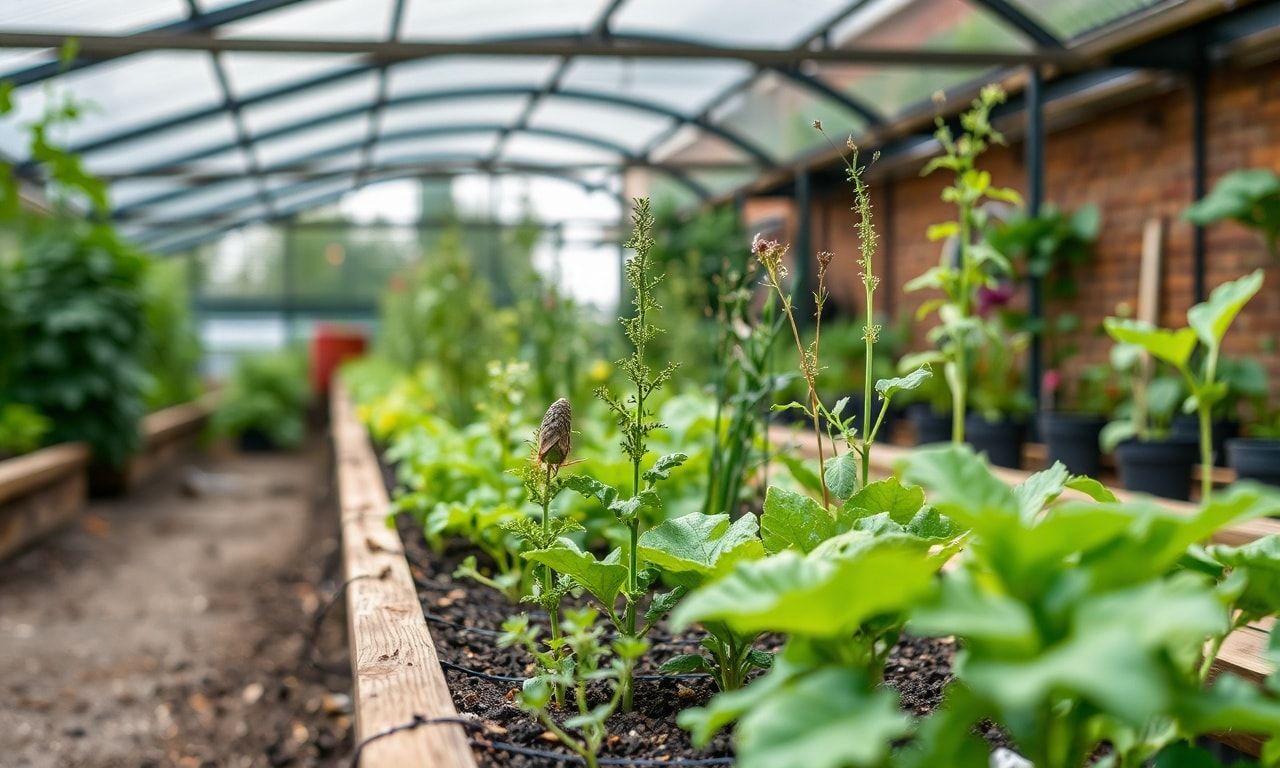
Introduction to Bristol’s Green Initiative
Bristol, a city known for its vibrant culture and commitment to sustainability, has recently launched an innovative urban farming initiative aimed at enhancing soil health and promoting local food production. This project, which includes the integration of chia seed farming for soil structure management, is part of a broader effort to make the city more resilient and self-sufficient.
The Role of Chia Seeds in Soil Health
Chia seeds, known for their nutritional benefits, also play a crucial role in improving soil structure and fertility. The city’s new initiative encourages local farmers and community gardens to incorporate chia seeds into their crop rotation. This practice not only enhances soil quality but also contributes to the overall biodiversity of urban farms. According to experts, chia seed farming for soil structure management can significantly reduce soil erosion and increase water retention, making it an essential component of sustainable agriculture.
Community Involvement and Education
The initiative has sparked considerable interest among Bristol’s residents, with many participating in workshops and training sessions focused on sustainable farming practices. Local schools have also joined the effort, incorporating lessons on soil health and urban farming into their curricula. Community leaders emphasize the importance of educating the next generation about the benefits of sustainable agriculture and the role each individual can play in promoting environmental stewardship.
Economic and Environmental Benefits
The economic benefits of this initiative are manifold. By promoting local food production, Bristol aims to reduce its reliance on imported goods, thereby supporting local businesses and creating jobs. Additionally, the environmental benefits are substantial, as sustainable farming practices help mitigate climate change by reducing greenhouse gas emissions and promoting carbon sequestration. The city’s commitment to these practices sets a positive example for other urban areas looking to adopt similar initiatives.
Challenges and Future Prospects
Despite the numerous benefits, the initiative faces several challenges, including limited funding and the need for ongoing education and outreach. However, city officials remain optimistic about the future, citing the growing interest and support from the community. They hope to expand the program in the coming years, incorporating more innovative techniques and technologies to further enhance soil health and food production. The success of this initiative could serve as a model for other cities seeking to balance urban development with environmental sustainability.
Conclusion
Bristol’s innovative approach to sustainable urban farming highlights the city’s commitment to creating a greener, more resilient future. By integrating chia seed farming for soil structure management and engaging the community in the process, Bristol is setting a new standard for urban sustainability. As the initiative continues to grow, it is expected to yield significant economic, environmental, and social benefits, making it a beacon of hope for cities worldwide.