
The Challenge of Urban Heat Islands
As global temperatures continue to rise, cities around the world are grappling with the phenomenon known as the urban heat island (UHI) effect. Bristol, a vibrant city in the southwest of England, is no exception. The UHI effect occurs when urban areas become significantly warmer than their surrounding rural areas due to human activities and the physical properties of urban environments. This can lead to a range of issues, including increased energy consumption, health risks, and discomfort for residents.
Bristol’s unique geography and dense urban fabric make it particularly susceptible to the UHI effect. The city’s buildings, roads, and other infrastructure absorb and retain heat, while the lack of green spaces and vegetation exacerbates the problem. As a result, Bristol has been experiencing higher temperatures, particularly during the summer months, which can have serious implications for public health and quality of life.
Innovative Solutions for a Cooler Bristol
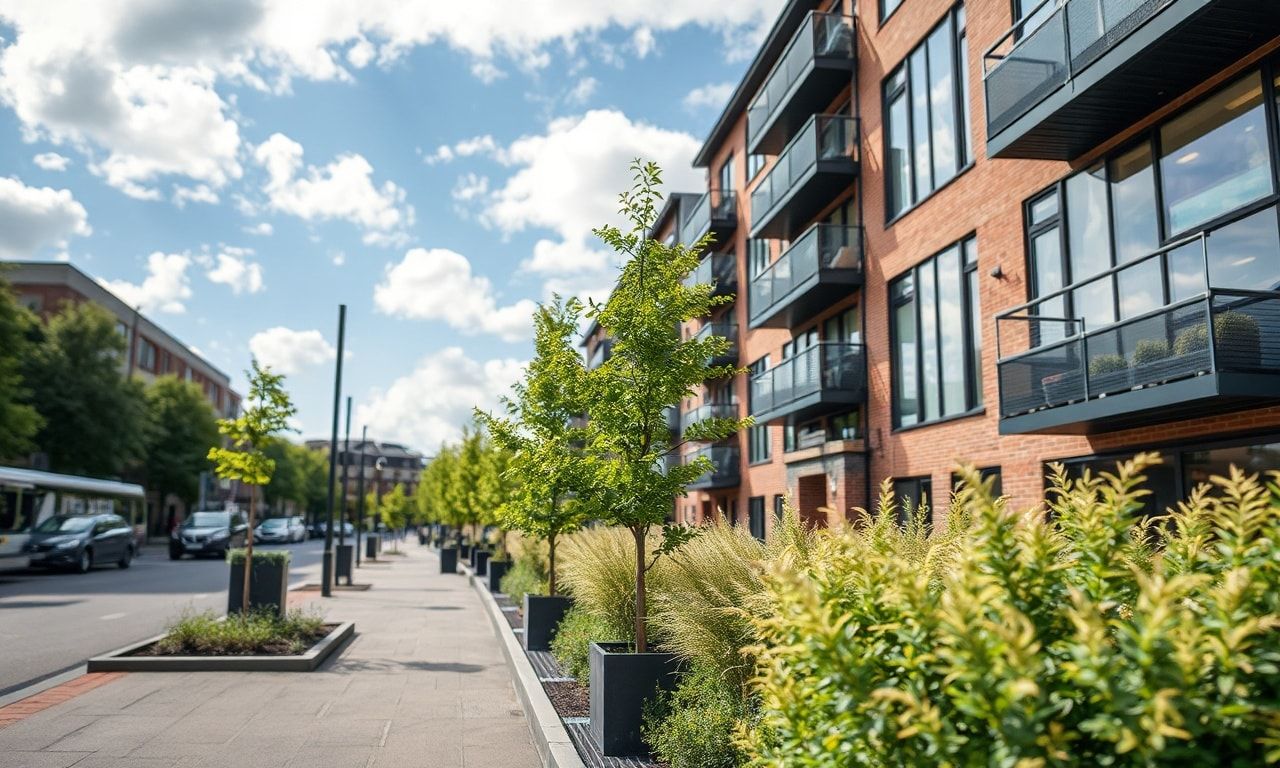
In response to this challenge, Bristol has been at the forefront of developing and implementing innovative solutions to mitigate the UHI effect. One of the key strategies has been the promotion of green infrastructure, such as green roofs, walls, and urban parks. These features not only provide shade and cooling but also improve air quality and biodiversity. The city has also been investing in sustainable urban drainage systems (SUDS) to manage rainwater and reduce the risk of flooding, which can contribute to the UHI effect.
Another important initiative is the adoption of cool pavements and materials. Traditional pavement materials, such as asphalt, absorb and retain heat, contributing to the UHI effect. By using lighter-colored and more reflective materials, Bristol is able to reduce the amount of heat absorbed by urban surfaces. This not only helps to lower temperatures but also improves the comfort and safety of pedestrians and cyclists.
Community Engagement and Education
Central to Bristol’s approach is the involvement of the local community. The city has launched various awareness campaigns and educational programs to inform residents about the UHI effect and the steps they can take to mitigate it. These initiatives include workshops on energy efficiency, the promotion of best car sunshades for hot weather, and the encouragement of sustainable transportation options, such as walking, cycling, and public transport. By empowering residents with knowledge and resources, Bristol aims to create a more resilient and sustainable urban environment.
Policy and Planning
Bristol’s local government has also played a crucial role in addressing the UHI effect through policy and planning. The city’s Local Plan includes specific policies to promote sustainable development and mitigate the UHI effect. These policies encourage the incorporation of green infrastructure, the use of cool materials, and the preservation of existing green spaces. Additionally, Bristol has been working with developers and planners to ensure that new developments are designed with the UHI effect in mind, incorporating features such as green roofs, solar panels, and energy-efficient buildings.
The Role of Technology and Innovation
Technology and innovation are also key components of Bristol’s strategy to combat the UHI effect. The city has been exploring the use of smart technologies, such as sensors and data analytics, to monitor and manage urban temperatures. These technologies can provide real-time data on temperature, humidity, and air quality, enabling city officials to make informed decisions and take targeted actions to mitigate the UHI effect.
Bristol has also been a leader in the development and deployment of renewable energy technologies. The city has set ambitious targets to reduce its carbon emissions and increase its use of renewable energy sources, such as solar and wind power. By transitioning to a low-carbon economy, Bristol aims to not only mitigate the UHI effect but also contribute to the global effort to combat climate change.
Looking Ahead
As Bristol continues to grapple with the challenges posed by the urban heat island effect, the city remains committed to finding innovative and sustainable solutions. By leveraging the power of community engagement, policy and planning, and technology and innovation, Bristol is setting an example for other cities around the world. The city’s efforts not only aim to improve the quality of life for its residents but also contribute to the broader goal of creating a more sustainable and resilient urban environment.
In the coming years, Bristol plans to further expand its green infrastructure, promote sustainable transportation, and invest in renewable energy technologies. The city is also exploring new and emerging technologies, such as vertical farming and urban cooling systems, to address the UHI effect and create a more livable and sustainable urban environment. By taking a proactive and holistic approach, Bristol is poised to become a leader in the fight against the urban heat island effect and a model for other cities to follow.
To gain a deeper understanding of China’s urban development, our latest feature Shanghai’s transformation insights offers an in-depth look at the city’s dynamic evolution.
As the e-commerce landscape continues to evolve, understanding the latest trends and strategies is crucial for online retailers; our guide on boosting online sales potential offers key insights to help businesses stay competitive.
In the midst of today’s fast-paced news cycle, understanding how to maintain a healthy work-life balance is more important than ever; explore strategies in balancing modern work demands.