
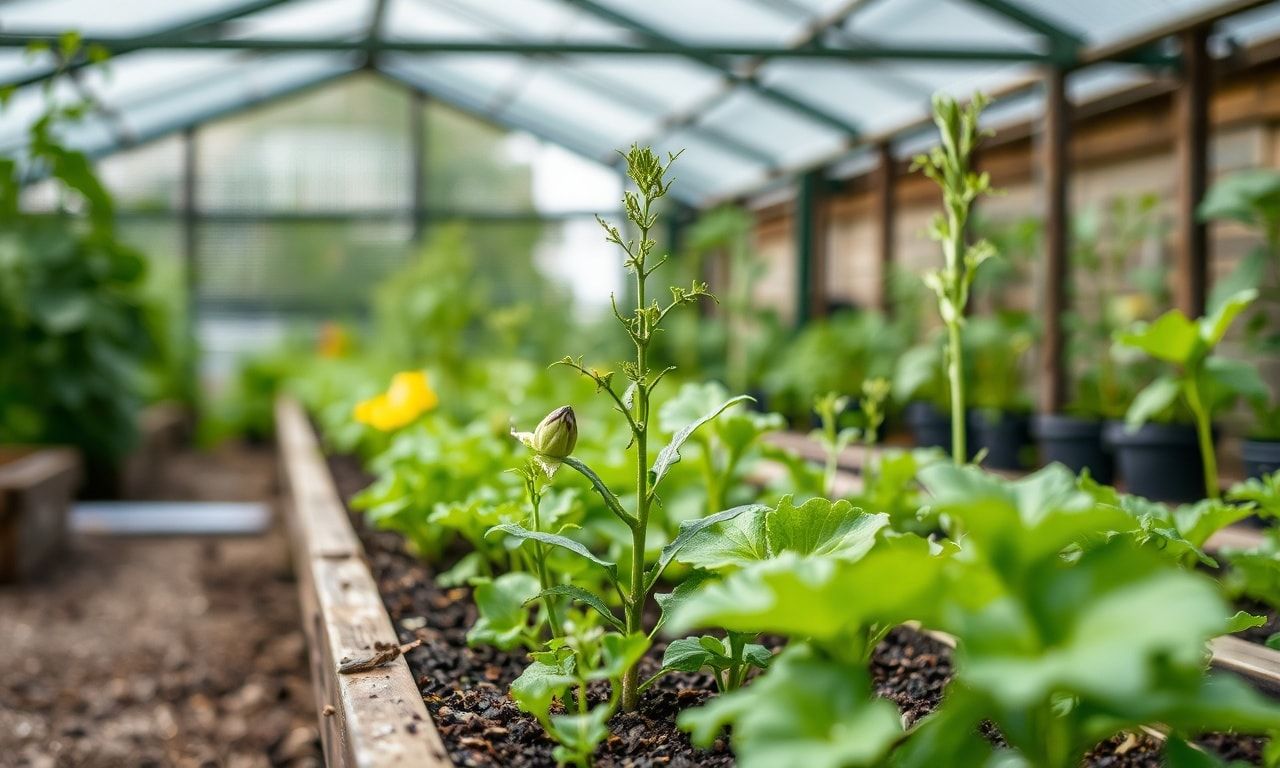
The Urban Farming Movement
Bristol, a city known for its vibrant culture and historic landmarks, is now making waves in the realm of urban farming. This green revolution is not only transforming the city’s landscape but also fostering a sense of community and sustainability. Urban farming, the practice of cultivating, processing, and distributing food in or around urban areas, is gaining traction in Bristol, with residents and local governments alike embracing this eco-friendly trend.
The movement is driven by a desire to reduce carbon footprints, promote local food production, and enhance food security. Bristol’s urban farms are diverse, ranging from rooftop gardens to community allotments, each contributing to the city’s sustainability goals. These farms not only provide fresh, locally grown produce but also serve as educational hubs, teaching residents about sustainable living and the importance of green spaces in urban environments.
The Benefits of Urban Farming
Urban farming offers a multitude of benefits, both environmental and social. By growing food within the city limits, Bristol reduces the need for long-distance transportation, thereby cutting down on greenhouse gas emissions. This local production also ensures that residents have access to fresh, nutritious produce, enhancing the overall health of the community.
Moreover, urban farms act as green spaces, mitigating the urban heat island effect and improving air quality. They provide habitats for local wildlife, promoting biodiversity in the heart of the city. Socially, these farms bring people together, fostering a sense of community and shared purpose. They offer opportunities for education, volunteering, and even entrepreneurship, as many urban farmers sell their produce at local markets or through community-supported agriculture (CSA) programs.
Health and Wellness
Urban farming also plays a significant role in promoting health and wellness. Access to fresh, locally grown produce encourages healthier eating habits, reducing the prevalence of diet-related illnesses. Additionally, the physical activity involved in farming can contribute to improved mental and physical health. Many urban farms in Bristol offer workshops and classes on topics such as nutrition, cooking, and the chia seeds side effects, further educating the community on healthy living.
Challenges and Solutions
Despite the numerous benefits, urban farming in Bristol faces several challenges. Limited space, soil contamination, and regulatory hurdles are among the primary obstacles. However, innovative solutions are emerging to address these issues. Vertical farming, for instance, maximizes space by growing crops in stacked layers, often using hydroponic or aeroponic systems. This method not only saves space but also uses less water and can be implemented in various urban settings, from abandoned buildings to parking lots.
Soil contamination is another significant challenge, particularly in industrial areas. To combat this, urban farmers in Bristol are turning to alternative growing methods such as container gardening and raised beds, which allow for better control over the growing environment. Community involvement is also crucial in addressing these challenges. By working together, residents can advocate for policy changes, secure funding, and share resources, making urban farming more accessible and sustainable.
Policy and Community Support
The Bristol City Council has been instrumental in supporting the urban farming movement. Through initiatives like the Bristol Food Policy Council and the Bristol Food Network, the city is promoting sustainable food systems and supporting local food producers. These initiatives provide resources, funding, and policy support, helping urban farmers overcome regulatory and financial barriers.
Community support is equally vital. Local residents can get involved by volunteering at urban farms, participating in workshops, or even starting their own community gardens. By supporting urban farming, the community not only enhances the local food system but also strengthens social ties and promotes a culture of sustainability.
The Future of Urban Farming in Bristol
The future of urban farming in Bristol looks promising. With continued support from the city council and the community, the movement is poised to grow and evolve. Innovations in technology, such as smart farming and vertical farming, will likely play a significant role in this growth, making urban farming more efficient and accessible.
As Bristol continues to embrace the green revolution, it sets an example for other cities worldwide. By prioritizing sustainability, community engagement, and innovation, Bristol is not only transforming its urban landscape but also contributing to a healthier, more resilient planet. The urban farming movement is more than just a trend; it is a testament to the power of collective action and the potential for cities to become hubs of sustainability and innovation.
As health trends continue to shape consumer habits, understanding the rise of chia seeds is essential; explore why chia seeds are trending in our latest feature.
As health trends continue to dominate headlines, exploring the superfoods phenomenon offers a comprehensive look at this growing movement.
As local agriculture evolves, farmers shift to superfoods in Duxbury, marking a significant change in the region’s farming practices.