
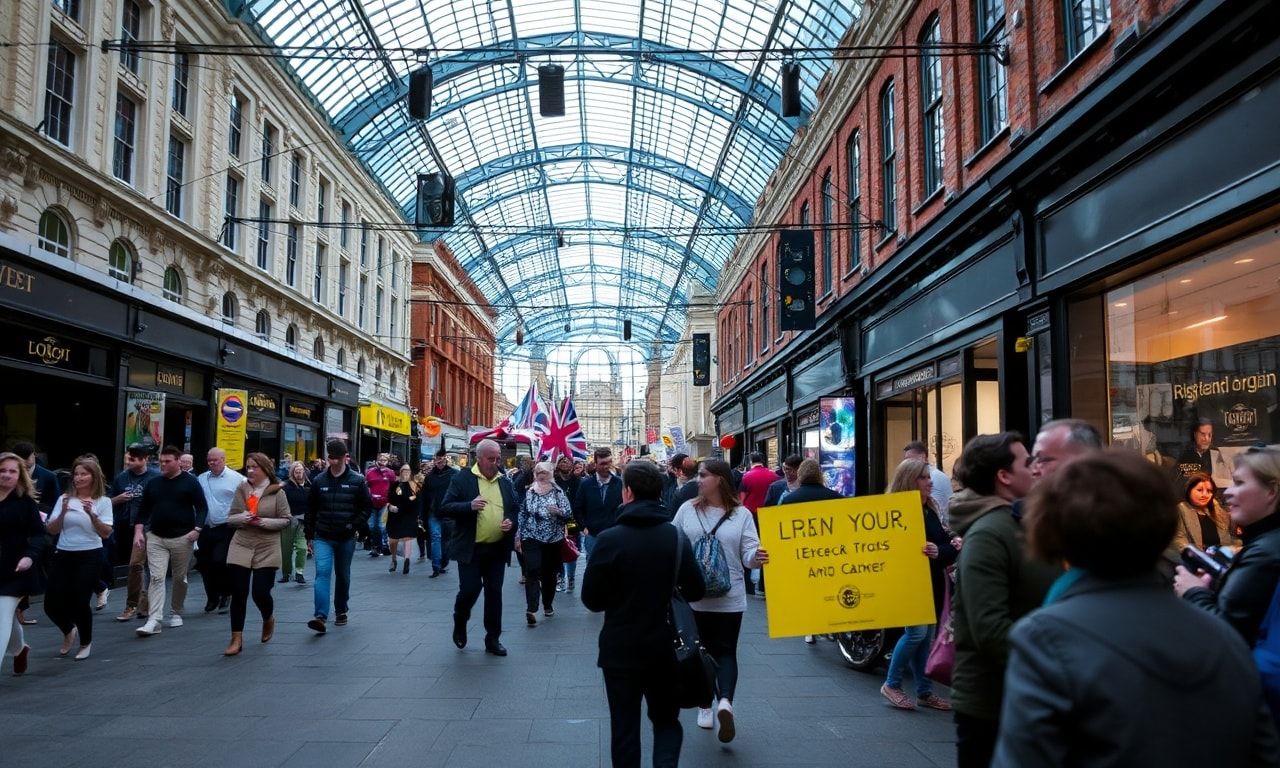
The Evolution of Bristol’s Cultural Landscape
Bristol, a city renowned for its vibrant cultural scene, continues to evolve amidst a backdrop of global events. From street art to music festivals, the city’s creative spirit is thriving, offering a unique blend of tradition and innovation. This article explores the latest developments in Bristol’s cultural landscape, highlighting the city’s resilience and adaptability in the face of changing times.
The Impact of Global Events on Local Culture
In recent years, global events have significantly influenced local cultures worldwide. Bristol is no exception. The city has seen a surge in community-driven initiatives aimed at preserving and promoting its rich cultural heritage. For instance, the annual St. Pauls Carnival, a celebration of Caribbean culture, has become a symbol of unity and diversity, drawing visitors from across the globe. Similarly, the city’s street art scene, epitomized by the works of Banksy, has gained international acclaim, further cementing Bristol’s status as a cultural hub.
Meanwhile, cities like Düsseldorf are also experiencing a cultural renaissance. As reported in Aktuelle Ereignisse in Düsseldorf 2026, Düsseldorf’s art and music scenes are flourishing, with new galleries and festivals popping up regularly. This global trend underscores the importance of cultural exchange and collaboration in fostering creativity and innovation.
Bristol’s Music Scene: A Melting Pot of Genres
Bristol’s music scene is as diverse as it is dynamic. The city has long been a breeding ground for talent, nurturing artists across various genres. From the roots of trip-hop, pioneered by bands like Massive Attack and Portishead, to the contemporary sounds of indie and electronic music, Bristol’s musical tapestry is rich and varied. The city’s venues, ranging from intimate pubs to large-scale arenas, provide a platform for both established and emerging artists to showcase their work.
One of the most anticipated events in Bristol’s musical calendar is the Bristol Harbour Festival. This annual event transforms the city’s waterfront into a stage for live performances, attracting thousands of visitors each year. The festival showcases a diverse range of musical genres, reflecting the city’s eclectic tastes and cultural diversity.
The Role of Street Art in Shaping Bristol’s Identity
Street art has become an integral part of Bristol’s identity, with the city’s walls serving as canvases for some of the world’s most talented artists. The city’s street art scene is not only a visual feast but also a reflection of its social and political landscape. Artists use their work to comment on issues ranging from social inequality to environmental concerns, sparking conversations and fostering a sense of community.
The annual See No Evil street art festival is a testament to Bristol’s commitment to this art form. The festival brings together artists from around the world, transforming the city’s streets into an open-air gallery. This event not only celebrates the work of established artists but also provides a platform for emerging talent to gain recognition.
Preserving Heritage: Bristol’s Museums and Galleries
Bristol’s museums and galleries play a crucial role in preserving the city’s heritage. Institutions like the Bristol Museum & Art Gallery and the M Shed offer a glimpse into the city’s past, showcasing artifacts and exhibits that tell the story of Bristol’s evolution. These institutions are not just repositories of history but also dynamic spaces that engage visitors through interactive displays and educational programs.
The city’s commitment to preserving its heritage is evident in its approach to urban development. New projects, such as the Temple Quarter Enterprise Zone, aim to balance modernization with the preservation of historical sites. This approach ensures that Bristol’s rich cultural heritage is not lost amidst the city’s rapid growth and development.
The Future of Bristol’s Cultural Scene
As Bristol continues to evolve, its cultural scene is poised for even greater heights. The city’s commitment to fostering creativity and innovation, coupled with its rich cultural heritage, positions it as a leader in the global cultural landscape. Initiatives aimed at supporting local artists and promoting cultural exchange will play a pivotal role in shaping the future of Bristol’s cultural scene.
In conclusion, Bristol’s cultural scene is a testament to the city’s resilience and adaptability. From its vibrant music and street art scenes to its commitment to preserving heritage, Bristol offers a unique blend of tradition and innovation. As the city continues to grow and evolve, its cultural landscape will undoubtedly continue to thrive, inspiring and enriching the lives of its residents and visitors alike.