
Introduction
Bristol, a vibrant city in the southwest of England, has been making significant strides in addressing climate change and promoting sustainable urban living. The city’s initiatives have garnered attention not only nationally but also internationally, positioning Bristol as a leader in environmental sustainability. This article explores the various projects and policies that have contributed to Bristol’s reputation as a green city.
Bristol’s Green Infrastructure
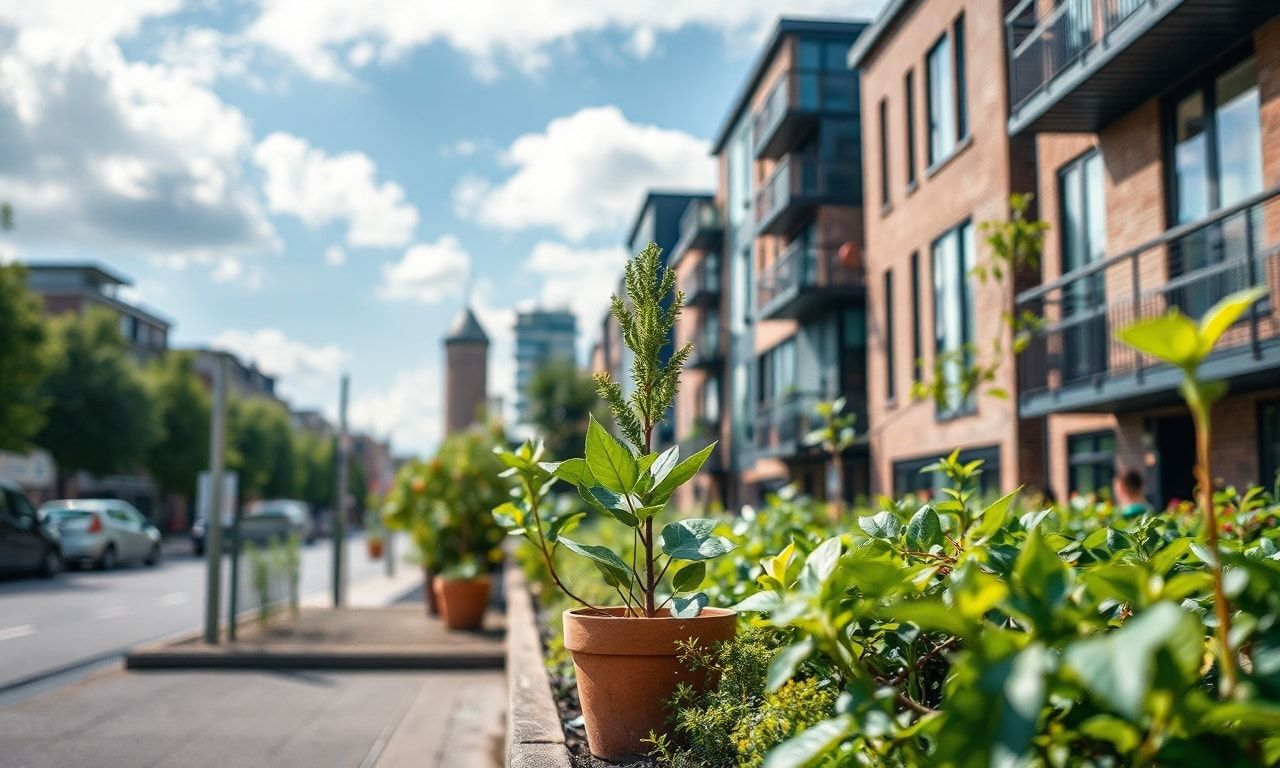
One of the cornerstones of Bristol’s climate change strategy is its investment in green infrastructure. The city has been actively working on creating more green spaces, such as parks and urban gardens, to absorb carbon emissions and improve air quality. These green spaces also serve as recreational areas for residents, promoting a healthier lifestyle and community engagement.
In addition to green spaces, Bristol has been investing in renewable energy sources. The city has several solar panel installations and wind turbines, which help reduce reliance on fossil fuels. These initiatives are part of a broader effort to make Bristol carbon neutral by 2030, a goal that the city council has set as part of its climate change action plan.
Community Involvement
Community involvement is a critical aspect of Bristol’s climate change initiatives. The city has launched various programs to engage residents in sustainability efforts. For example, the Bristol Green Capital Partnership brings together over 500 organizations to collaborate on environmental projects. This partnership has resulted in numerous community-led initiatives, such as tree planting, waste reduction campaigns, and educational programs.
Another notable initiative is the Bristol Pound, a local currency that encourages residents to support local businesses and reduce their carbon footprint. By using the Bristol Pound, residents can contribute to a more sustainable economy while also supporting local enterprises.
Innovative Technologies and Data-Driven Solutions
Bristol is also at the forefront of using innovative technologies to tackle climate change. The city has been leveraging data-driven solutions to monitor and reduce carbon emissions. For instance, the Bristol Is Open initiative uses smart city technologies to collect and analyze data on energy consumption, traffic patterns, and air quality. This data is then used to develop strategies for reducing the city’s environmental impact.
One of the key tools in Bristol’s arsenal is the hava durumu tahmin database, which provides accurate weather forecasts and climate data. This database is essential for planning and implementing climate change strategies, as it helps city planners anticipate weather patterns and prepare for extreme weather events.
Education and Awareness
Education and awareness are vital components of Bristol’s climate change initiatives. The city has launched several programs to educate residents about the importance of sustainability and the actions they can take to reduce their environmental impact. For example, the Bristol Green Capital Partnership offers workshops and training sessions on topics such as energy efficiency, waste reduction, and sustainable transportation.
Schools in Bristol are also playing a significant role in promoting sustainability. Many schools have implemented eco-clubs and green curricula to teach students about environmental issues and the importance of sustainable living. These programs not only educate students but also encourage them to become advocates for sustainability in their communities.
Challenges and Future Prospects
Despite its progress, Bristol faces several challenges in its quest to become a sustainable city. One of the main challenges is the need for continued investment in green infrastructure and renewable energy sources. While the city has made significant strides, there is still a need for more funding and resources to support these initiatives.
Another challenge is ensuring that all residents are involved in sustainability efforts. While many residents are actively engaged in green initiatives, there is still a need to reach out to those who may not be as aware or involved. This requires targeted outreach and education programs to ensure that everyone in Bristol has the opportunity to contribute to the city’s sustainability goals.
Looking ahead, Bristol has several exciting prospects for furthering its climate change initiatives. The city is exploring new technologies, such as electric vehicles and smart grids, to reduce its carbon footprint. Additionally, Bristol is collaborating with other cities and organizations to share best practices and learn from their experiences. These collaborations will help Bristol continue to innovate and lead the way in sustainable urban living.
Conclusion
Bristol’s climate change initiatives serve as a model for other cities looking to promote sustainable urban living. Through its investment in green infrastructure, community involvement, innovative technologies, and education, Bristol has made significant progress in reducing its environmental impact. While challenges remain, the city’s commitment to sustainability and its collaborative approach offer valuable lessons for other urban areas. As Bristol continues to innovate and engage its residents, it is poised to become a global leader in the fight against climate change.