
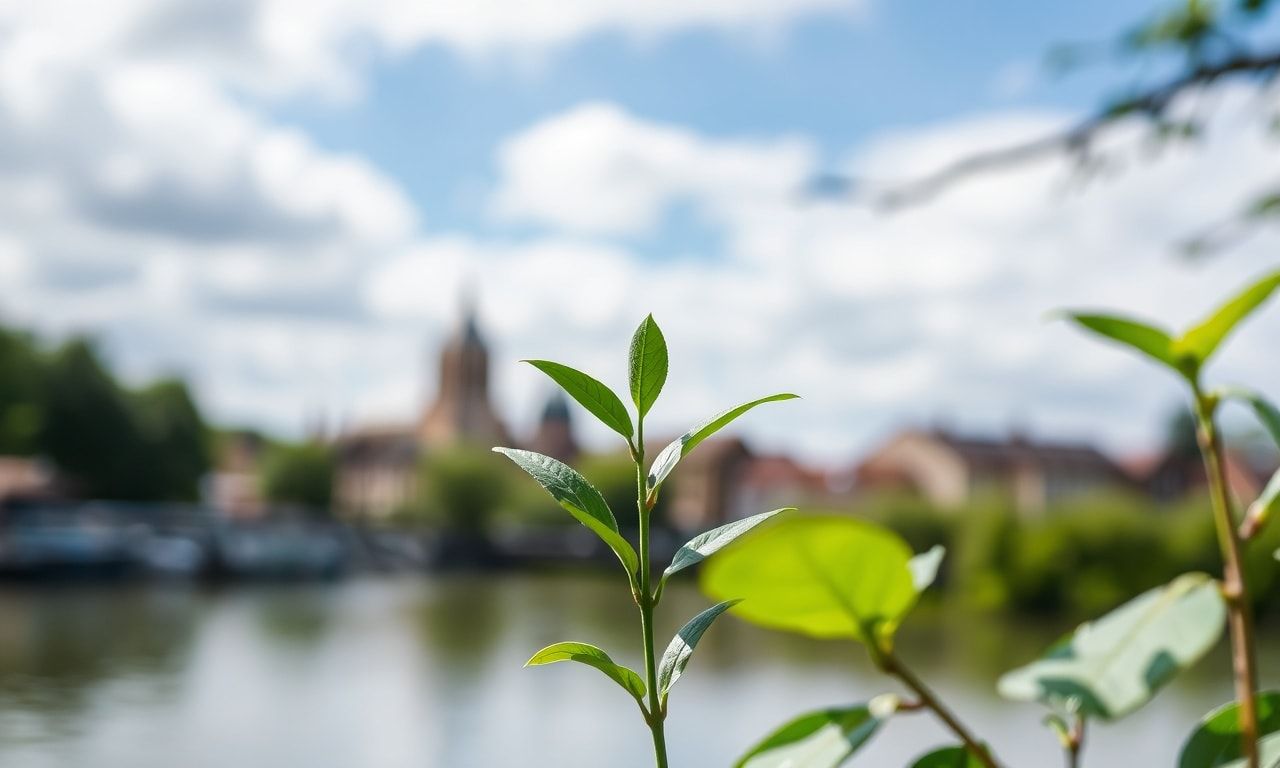
The Path to a Greener Bristol
Bristol, a city known for its vibrant culture and historic landmarks, is making significant strides towards becoming carbon neutral by 2030. This ambitious goal is part of a broader effort to combat climate change and reduce the city’s carbon footprint. The initiative, led by the Bristol City Council, involves a comprehensive plan that includes reducing energy consumption, promoting renewable energy sources, and encouraging sustainable transportation.
Reducing Energy Consumption
One of the key components of Bristol’s plan is reducing energy consumption in both residential and commercial buildings. The city is investing in energy-efficient technologies and retrofitting older buildings to meet modern standards. This includes the installation of smart meters, improved insulation, and the use of energy-efficient lighting. Additionally, the council is working with local businesses to encourage them to adopt more sustainable practices, such as using renewable energy sources and reducing waste.
The city is also promoting the use of public transportation and cycling as alternatives to driving. This includes expanding the network of bike lanes and improving the reliability and frequency of public transport services. By making it easier and more convenient for residents to choose sustainable modes of transportation, Bristol aims to reduce the number of cars on the road and lower its overall carbon emissions.
Promoting Renewable Energy
Bristol is actively promoting the use of renewable energy sources, such as solar and wind power. The city has several solar farms and wind turbines, and it is exploring the possibility of using geothermal energy. The council is also encouraging residents and businesses to install their own renewable energy systems, such as solar panels, by offering financial incentives and grants.
In addition to promoting renewable energy, Bristol is also working to reduce its reliance on fossil fuels. The city has set a target to phase out the use of coal and oil for heating and electricity generation by 2030. This will be achieved through a combination of policy changes, public awareness campaigns, and financial incentives.
Community Engagement and Education
Community engagement and education are crucial components of Bristol’s plan to become carbon neutral. The city is working with local schools, universities, and community organizations to raise awareness about the importance of sustainability and the steps that individuals can take to reduce their carbon footprint. This includes organizing workshops, seminars, and public events, as well as providing resources and information through the city’s website and social media channels.
The council is also encouraging residents to get involved in local sustainability projects, such as community gardens, recycling programs, and tree-planting initiatives. By involving the community in these efforts, Bristol aims to create a culture of sustainability and ensure that its carbon neutrality goals are achieved in a collaborative and inclusive manner.
Challenges and Opportunities
While Bristol’s plan to become carbon neutral by 2030 is ambitious, it is not without its challenges. The city faces several obstacles, including the need for significant investment in infrastructure and technology, the resistance of some residents and businesses to change, and the uncertainty surrounding national and international climate policies.
However, Bristol is also presented with numerous opportunities. The city has a strong tradition of innovation and entrepreneurship, and it is home to several leading universities and research institutions. By leveraging these resources, Bristol can develop and implement cutting-edge solutions to the challenges of climate change. Additionally, the city’s commitment to sustainability is likely to attract new businesses and investment, creating jobs and stimulating economic growth.
As Bristol continues to make progress towards its carbon neutrality goals, it is important to stay informed about the latest developments in climate policy and sustainability. For those interested in learning more about the climate news in Edinburgh, a city that is also making significant strides in this area, you can visit edinburgh climate news today for the latest updates and analysis.
Conclusion
Bristol’s plan to become carbon neutral by 2030 is a bold and ambitious initiative that has the potential to make a significant impact on the fight against climate change. By reducing energy consumption, promoting renewable energy, and engaging with the community, the city is taking a comprehensive and collaborative approach to sustainability. While there are certainly challenges ahead, Bristol’s commitment to innovation and its strong tradition of community engagement give it the tools and resources it needs to succeed. As the city continues to make progress towards its goals, it will serve as a model for other cities and communities around the world.
In an era where digital marketing and journalism intersect, understanding the strategic approach to local news is crucial; explore how media outlets adapt to stay relevant.
Amidst the hustle of daily news, finding balance is crucial; discover tips for a fulfilling life to enhance your well-being.
To stay updated on the latest happenings, explore global tech and sports news and their recent advancements.